
Texas de Brazil Lobster Bisque Recipe
You’ve ever dined at Texas de Brazil and fallen head over heels for their velvety, luxurious lobster bisque, you’re not alone. This copycat Texas de Brazil lobster bisque recipe brings that same upscale steakhouse elegance right to your kitchen.
While Texas de Brazil is famous for their endless parade of churrasco meats, their creamy lobster bisque recipe often steals the show as a starter. This traditional lobster bisque recipe requires patience and love, but the reward is a bowl of pure, soul-warming decadence that tastes more like lobster than lobster itself.
Whether you’re planning a romantic dinner, celebrating a special occasion, or simply craving restaurant-quality seafood, learning how to make Texas de Brazil lobster bisque will elevate your home cooking game forever.
What Does Texas de Brazil Lobster Bisque Taste Like?
This recipe for Texas de Brazil lobster bisque delivers an intensely rich, creamy seafood experience with layers of complex flavor.

The first spoonful coats your palate with silky-smooth, buttery texture punctuated by sweet, tender chunks of fresh lobster meat. You’ll taste the deep, roasted essence of lobster shells-that umami-packed, oceanic sweetness that makes this bisque so addictive.
The tomatoes add subtle acidity and body, while brandy contributes a sophisticated warmth. Aromatic thyme and garlic provide herbal depth, and cayenne pepper delivers a gentle heat that builds without overwhelming. The heavy cream rounds everything into a restaurant-worthy indulgence that’s comforting yet elegant, familiar yet special.
Texas de Brazil Lobster Bisque Recipe Ingredients You’ll Need
Main Ingredients:
- 2 live lobsters (1¼ to 1½ pounds each)
- 1-2 stalks celery, roughly chopped
- ½-1 medium onion, roughly chopped
- 3 quarts water (for stock)
- 4-5 garlic cloves
- 3-4 sprigs fresh thyme
- 1 bay leaf
- 1 cup crushed tomatoes (San Marzano preferred)
- 1-2 tablespoons tomato paste
- 2 teaspoons paprika
- ½-¾ cup long grain white rice
- ¼-½ cup brandy (inexpensive is fine)
- 1-1½ cups heavy cream
- Few dashes Worcestershire sauce
- ½-1 teaspoon cayenne pepper (plus more to taste)
- Salt to taste
For Garnish (Optional):
- Whipped cream or heavy cream
- Fresh tarragon, chopped
- Extra cayenne pepper
Essential Kitchen Utensils:
- Large sharp chef’s knife
- Kitchen shears
- Meat pounder or rolling pin
- Large roasting pan
- Large stockpot (6+ quarts)
- Colander and large bowl
- Immersion blender (or regular blender)
- Tongs
- Ladle
- Rubber spatula
Preparation and Cooking Time
- Prep Time: 45 minutes
- Cook Time: 2 hours
- Total Time: 2 hours 45 minutes
- Servings: 6-8 bowls
Texas de Brazil Lobster Bisque Recipe Instructions
Step 1: Humanely Dispatch and Prep the Lobsters
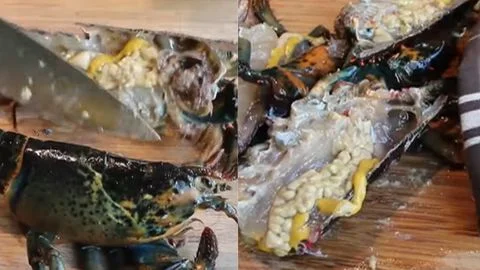
Place both live lobsters in the freezer for 30 minutes to humanely render them unconscious. Remove and place on a cutting board. Using a large, sharp knife, pierce through the head between the eyes and cut straight down through the body, then turn and cut through the tail to halve each lobster completely.
Step 2: Clean and Portion the Lobster
Using tongs, pull out and discard the stomach sack from the head cavity (it contains sandy material). Twist off the claws, cut off the tails with kitchen shears, snip off the legs, and crack the claws and knuckles. Cover with a kitchen towel while cracking to prevent splashing, using the back of your knife, a rolling pin, or meat pounder.
Step 3: Roast the Shells
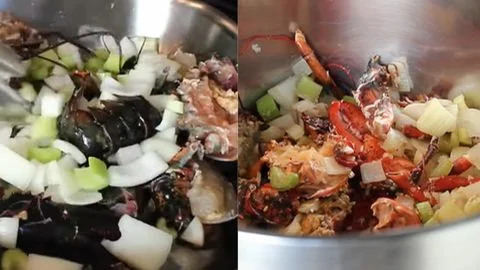
Preheat your oven to 400°F (200°C). Place all lobster pieces EXCEPT the tail halves into a large roasting pan along with the chopped celery and onion. Roast for 15-20 minutes until the shells turn a gorgeous rusty red color and smell amazing.
Step 4: Build the Stock Base
Transfer the roasted shells (excluding tail pieces still) to your large stockpot. Place the hot roasting pan over medium-high heat, add a splash of water, and deglaze for 2-3 minutes, scraping up all those flavorful browned bits. Pour this liquid into the stockpot.
Step 5: Simmer the Lobster Stock
Add enough cold water to reach 3 quarts total. Add garlic cloves, thyme sprigs, and bay leaf. Bring to a simmer over medium-high heat, then reduce to low and maintain a gentle simmer for 40 minutes. Don’t over-simmer, as the delicate lobster flavor can deteriorate.

Step 6: Extract and Reserve Lobster Meat
While the stock simmers, carefully remove the meat from the raw tail halves, wrap it, and refrigerate. Add those empty tail shells to the simmering stock for maximum flavor extraction.

Step 7: Strain and Pick
After 40 minutes, strain the entire stock through a colander into a large bowl, saving every precious drop. Once cool enough to handle, meticulously pick all remaining meat from the shells-especially the claws and knuckles. Refrigerate this meat with the tail meat. Pour any dripped liquid back into your stock.
Step 8: Add Tomatoes and Rice
Return the strained stock to your pot. Stir in the crushed tomatoes, tomato paste, and paprika. Bring to a simmer over medium-high heat. Add the long-grain rice, reduce heat to medium, and simmer for approximately 30 minutes until the rice is completely soft and falling apart when pressed against the pot.

Step 9: Blend to Silky Perfection
Turn off the heat. Using an immersion blender (or working in batches with a regular blender), puree the mixture completely smooth. The rice creates that luxurious, velvety texture that defines a traditional lobster bisque recipe.
Step 10: Enrich and Season
Stir in the brandy, heavy cream, Worcestershire sauce, and cayenne pepper. Return to medium heat and bring to a gentle simmer. Cook for 10-15 minutes, stirring frequently with a spatula to prevent scorching and to cook out the raw alcohol flavor.
Step 11: Add Lobster Meat
Chop your reserved lobster meat to your preferred size-fine mince for even distribution, larger chunks for drama, or somewhere in between. Stir the meat into the bisque, reduce heat to low, and heat through gently for 3-5 minutes.

Step 12: Final Adjustments and Serve
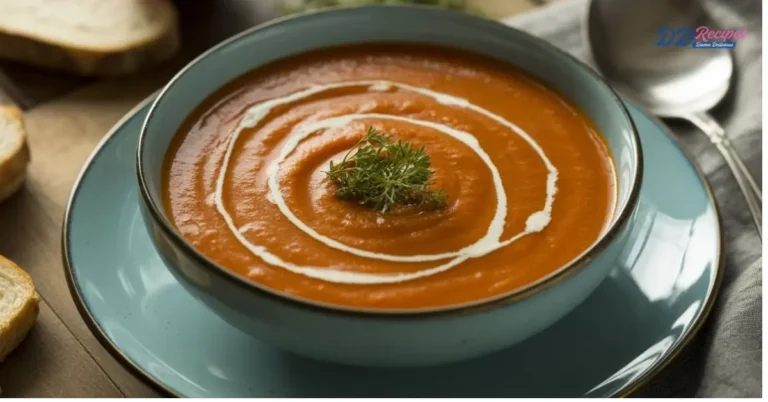
Taste and adjust seasoning with additional cayenne, salt, or other spices as needed. Ladle into warm bowls, garnish with a swirl of cream, a sprinkle of cayenne, and fresh tarragon. Serve immediately.
Customization and Pairing Ideas for Serving
1. Shrimp and Lobster Combo Bisque
Stretch your lobster further by adding ½ pound of chopped shrimp along with the lobster meat. The shrimp adds sweetness and makes the dish more economical while maintaining that luxurious seafood flavor. You can even use shrimp shells in your initial roast for extra depth.
2. Crab-Enhanced Version
Fold in ½ cup of lump crabmeat along with the lobster for a multi-dimensional shellfish experience. The sweet, delicate crab complements the robust lobster beautifully, creating a bisque worthy of the fanciest steakhouse.
3. Cognac Instead of Brandy
Swap the brandy for cognac to add a more refined, nuanced flavor profile. Cognac brings elegant fruit notes and complexity that elevate this copycat Texas de Brazil lobster bisque recipe to new heights of sophistication.
4. Crusty Comfort Pairing
Serve this Texas de Brazil Lobster Bisque Recipe with crusty garlic bread to soak up flavors, adding fresh herbs or chili oil for customizable heat, creating a balanced, restaurant-style meal.
5. Serve in Bread Bowls
Hollow out crusty sourdough boules and ladle your bisque inside for an Instagram-worthy presentation. The bread soaks up the creamy broth and provides a satisfying textural contrast that guests absolutely love.
6. Classic Steakhouse Pairing
Follow the Texas de Brazil tradition by serving this bisque as a starter before your main course of grilled ribeye, filet mignon, or picanha. Add garlic mashed potatoes and creamed spinach as sides for the ultimate Brazilian steakhouse experience at home.
7. Lighter Wine Pairing Option
While traditionally paired with Chardonnay, try serving with a crisp Albariño or unoaked white Burgundy. These wines cut through the richness while complementing the sweet lobster meat without overwhelming the delicate flavors.
8. Fusion Dinner Twist
Pair the rich bisque alongside savory xian noodles for a fusion-inspired dinner, topping with scallions and sesame. Adjust spice levels easily to suit preferences while keeping presentation elegant and inviting.
9. Add Aromatic Complexity
Finish each bowl with a drizzle of truffle oil, a few drops of sherry, or a pinch of saffron threads. These luxury additions create different flavor dimensions and make your recipe for Texas de Brazil lobster bisque uniquely your own.
10. Island Bistro Pairing
Serve this creamy bisque with warm crusty bread and fresh herbs; pairing alongside Texas de Brazil Lobster Bisque Recipe complements a tangy Rainbow Drive-In Hawaiian Mac Salad for balanced indulgence.

Expert Tips for Perfect Lobster Bisque
1. Don’t Skip the Roasting Step
Roasting the lobster shells at 400°F is absolutely crucial for developing the deep, caramelized flavor that separates restaurant-quality bisque from mediocre versions. The Maillard reaction creates complex savory notes that you simply cannot achieve by just boiling shells. Make sure those shells get beautifully rusty-red and aromatic.
2. Temperature Control is Everything
Keep your stock at a gentle simmer, never a rolling boil. Aggressive boiling can make the lobster flavor bitter and can break down the delicate compounds that give bisque its refined taste. Low and slow wins the race every time when making shellfish stock.
3. Pick Every Scrap of Meat
Don’t waste a single morsel of lobster meat. Those tiny bits hiding in the knuckles, body cavities, and small legs all add up. Use a lobster pick or small fork to extract meat from every crevice-you’ve paid good money for those lobsters, so maximize your yield.
4. Rice Ratio Matters
The rice is your thickening agent, so getting the amount right is important. Too little and your bisque will be thin; too much and it becomes gluey. Aim for ½-¾ cup for 3 quarts of liquid. You want the cooked rice to completely break down and disappear into the silky texture when blended.
5. Blend Thoroughly and Safely
When using an immersion blender, move it around the pot slowly and keep it fully submerged to avoid dangerous splattering of hot liquid. If using a regular blender, never fill it more than halfway, always remove the center cap and cover with a towel, and pulse gently first to release steam.
6. Stir During Final Simmer
After adding cream and brandy, stir frequently with a rubber spatula, especially scraping the bottom and corners. The rice-thickened bisque can scorch easily, and burned bits will ruin the entire batch with a bitter, acrid taste.
7. Timing Your Lobster Meat Addition
Add the chopped lobster meat at the very end and just heat it through gently-don’t cook it. Lobster meat toughens and turns rubbery when overcooked. Since it’s already cooked from the initial boiling/steaming during extraction, it just needs to warm up in the hot bisque for 3-5 minutes maximum.
Storage and Reheating Guidance
Store leftover Texas de Brazil lobster bisque in an airtight container in the refrigerator for up to 3 days. Reheat gently over low heat, stirring frequently to prevent separation. Add a splash of cream or stock if it’s too thick. Freezing is not recommended as cream-based soups can separate and become grainy when thawed.

Texas de Brazil Lobster Bisque Recipe
You’ve ever dined at Texas de Brazil and fallen head over heels for their velvety, luxurious lobster bisque, you’re not alone. This copycat Texas de Brazil lobster bisque recipe brings that same upscale steakhouse elegance right to your kitchen.
Ingredients
- 2 live lobsters (1¼ to 1½ pounds each)
- 1-2 stalks celery, roughly chopped
- ½-1 medium onion, roughly chopped
- 3 quarts water (for stock)
- 4-5 garlic cloves
- 3-4 sprigs fresh thyme
- 1 bay leaf
- 1 cup crushed tomatoes (San Marzano preferred)
- 1-2 tablespoons tomato paste
- 2 teaspoons paprika
- ½-¾ cup long grain white rice
- ¼-½ cup brandy (inexpensive is fine)
- 1-1½ cups heavy cream
- Few dashes Worcestershire sauce
- ½-1 teaspoon cayenne pepper (plus more to taste)
- Salt to taste
- Whipped cream or heavy cream
- Fresh tarragon, chopped
- Extra cayenne pepper
Instructions
Step 1: Humanely Dispatch and Prep the Lobsters
Place both live lobsters in the freezer for 30 minutes to humanely render them unconscious. Remove and place on a cutting board. Using a large, sharp knife, pierce through the head between the eyes and cut straight down through the body, then turn and cut through the tail to halve each lobster completely.
Step 2: Clean and Portion the Lobster
Using tongs, pull out and discard the stomach sack from the head cavity (it contains sandy material). Twist off the claws, cut off the tails with kitchen shears, snip off the legs, and crack the claws and knuckles. Cover with a kitchen towel while cracking to prevent splashing, using the back of your knife, a rolling pin, or meat pounder.
Step 3: Roast the Shells
Preheat your oven to 400°F (200°C). Place all lobster pieces EXCEPT the tail halves into a large roasting pan along with the chopped celery and onion. Roast for 15-20 minutes until the shells turn a gorgeous rusty red color and smell amazing.
Step 4: Build the Stock Base
Transfer the roasted shells (excluding tail pieces still) to your large stockpot. Place the hot roasting pan over medium-high heat, add a splash of water, and deglaze for 2-3 minutes, scraping up all those flavorful browned bits. Pour this liquid into the stockpot.
Step 5: Simmer the Lobster Stock
Add enough cold water to reach 3 quarts total. Add garlic cloves, thyme sprigs, and bay leaf. Bring to a simmer over medium-high heat, then reduce to low and maintain a gentle simmer for 40 minutes. Don’t over-simmer, as the delicate lobster flavor can deteriorate.
Step 6: Extract and Reserve Lobster Meat
While the stock simmers, carefully remove the meat from the raw tail halves, wrap it, and refrigerate. Add those empty tail shells to the simmering stock for maximum flavor extraction.
Step 7: Strain and Pick
After 40 minutes, strain the entire stock through a colander into a large bowl, saving every precious drop. Once cool enough to handle, meticulously pick all remaining meat from the shells-especially the claws and knuckles. Refrigerate this meat with the tail meat. Pour any dripped liquid back into your stock.
Step 8: Add Tomatoes and Rice
Return the strained stock to your pot. Stir in the crushed tomatoes, tomato paste, and paprika. Bring to a simmer over medium-high heat. Add the long-grain rice, reduce heat to medium, and simmer for approximately 30 minutes until the rice is completely soft and falling apart when pressed against the pot.
Step 9: Blend to Silky Perfection
Turn off the heat. Using an immersion blender (or working in batches with a regular blender), puree the mixture completely smooth. The rice creates that luxurious, velvety texture that defines a traditional lobster bisque recipe.
Step 10: Enrich and Season
Stir in the brandy, heavy cream, Worcestershire sauce, and cayenne pepper. Return to medium heat and bring to a gentle simmer. Cook for 10-15 minutes, stirring frequently with a spatula to prevent scorching and to cook out the raw alcohol flavor.
Step 11: Add Lobster Meat
Chop your reserved lobster meat to your preferred size-fine mince for even distribution, larger chunks for drama, or somewhere in between. Stir the meat into the bisque, reduce heat to low, and heat through gently for 3-5 minutes.
Step 12: Final Adjustments and Serve
Taste and adjust seasoning with additional cayenne, salt, or other spices as needed. Ladle into warm bowls, garnish with a swirl of cream, a sprinkle of cayenne, and fresh tarragon. Serve immediately.
Notes
Store leftover Texas de Brazil lobster bisque in an airtight container in the refrigerator for up to 3 days. Reheat gently over low heat, stirring frequently to prevent separation. Add a splash of cream or stock if it’s too thick. Freezing is not recommended as cream-based soups can separate and become grainy when thawed.
Nutrition Information:
Yield: 6 Serving Size: 1Amount Per Serving: Calories: 170
Common Questions About Texas de Brazil Lobster Bisque
Here, we’ve got you covered with some common questions about the Texas de Brazil Lobster Bisque Recipe that people often ask.
Can I use frozen lobster tails instead of live lobsters?
Yes, frozen lobster tails work in a pinch. You’ll need about 4-6 tails (8-10 ounces total meat). However, you’ll miss the shells for stock, which provide most of the flavor. To compensate, purchase separate lobster shells from your fishmonger or use shrimp shells, and add an extra tablespoon of tomato paste for depth.
What’s the difference between lobster bisque and lobster soup?
Bisque is traditionally thickened with rice (or sometimes bread) and blended completely smooth, then enriched with cream. It has a velvety, luxurious texture. Lobster soup is typically broth-based with chunks of vegetables and lobster, not pureed. Bisque is significantly richer and more refined-true restaurant fare.
Why do you freeze the lobsters first?
Placing lobsters in the freezer for 30 minutes humanely renders them unconscious before dispatching, which is considered the most ethical method. It also makes them easier and safer to handle when cutting. Never leave them in the freezer for hours, just long enough to become very lethargic.
Can I make this recipe dairy-free?
You can substitute the heavy cream with full-fat coconut cream for a dairy-free version. The flavor will be slightly different with a subtle coconut undertone, but it maintains the rich, creamy texture. Some people also use cashew cream blended with vegetable stock as an alternative.
What type of brandy should I use?
Inexpensive brandy works perfectly fine-save your premium cognac for sipping. Look for basic VS (Very Special) brandy at your liquor store. The brandy adds warmth and depth, but its nuances get lost in the cooking process, so there’s no need to splurge.
How can I make this recipe more affordable?
Use one lobster instead of two and supplement with ½ pound of shrimp or surimi (imitation crab). You can also make the stock with purchased lobster bodies and shells from a seafood market (often sold cheaply), then add just the tail meat. Another option is using lobster base or Better Than Bouillon Lobster Base to fortify a shrimp stock.
My bisque is too thin-how do I fix it?
If your bisque lacks body, make a slurry with 1 tablespoon cornstarch mixed with 2 tablespoons cold water. Whisk it into the simmering bisque and cook for 5 minutes until thickened. Alternatively, simmer uncovered for 15-20 minutes to reduce and concentrate. You can also blend in a small cooked potato for natural thickening.
Can I prepare this bisque ahead of time?
Absolutely! Make the bisque through Step 10 (before adding lobster meat) up to 2 days ahead. Store in the refrigerator, then reheat gently and add the chopped lobster meat just before serving. The flavors actually deepen and meld beautifully overnight.
What’s the best garnish for lobster bisque?
Traditional garnishes include a swirl of heavy cream or crème fraîche, fresh tarragon or chives, a dusting of cayenne or paprika, and a small piece of lobster claw meat for visual appeal. Some chefs also add a drizzle of good sherry or a small dollop of butter for extra richness.
Is it necessary to use San Marzano tomatoes?
While San Marzano tomatoes are preferred for their sweet, low-acid profile and rich flavor, they’re not absolutely necessary. Any quality canned crushed tomatoes will work. Avoid tomatoes with added herbs or seasonings-stick to plain crushed or whole tomatoes that you can crush yourself.
How do I know when the lobster stock has simmered long enough?
After 40 minutes of gentle simmering, your stock should be deeply flavorful and have a rich, roasted lobster aroma. The liquid should taste intensely of lobster. If you simmer too long (over an hour), the flavor can actually start to deteriorate and become muddy or bitter.
Can I use this recipe for crab bisque or shrimp bisque?
Yes! The technique works beautifully for other shellfish. For crab bisque, use 2-3 whole crabs and follow the same roasting and simmering method. For shrimp bisque, use 2 pounds of shell-on shrimp, peel them, and roast the shells. The cooking times remain the same, though shrimp shells extract flavor faster than lobster.
This Texas de Brazil lobster bisque recipe transforms humble ingredients into liquid luxury that rivals any high-end steakhouse. While the process requires patience and care, every step builds layers of flavor that make this creamy lobster bisque recipe absolutely worth the effort. The roasted shells, aromatic vegetables, rice-thickened body, and brandy-cream finish create a symphony of taste that’ll have everyone asking for seconds.
Whether you’re recreating a beloved restaurant memory or impressing dinner guests, now you know exactly how to make Texas de Brazil lobster bisque like a professional chef. So grab those lobsters, pour yourself a glass of wine, and get ready to serve up bowls of pure, indulgent comfort!
We’d love to hear how this recipe turns out for you! Give it a try, then drop a comment below to share your thoughts and tips with us.
You can also follow us on Pinterest, and YouTube for more delicious updates and kitchen inspiration. Your feedback and support mean the world to us!