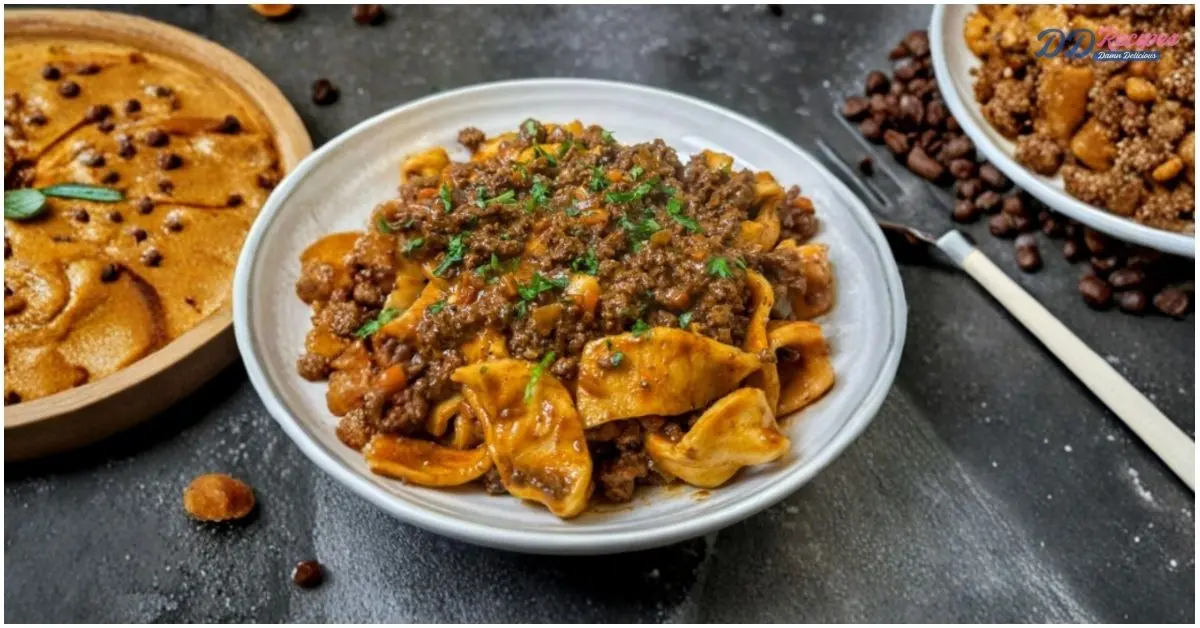
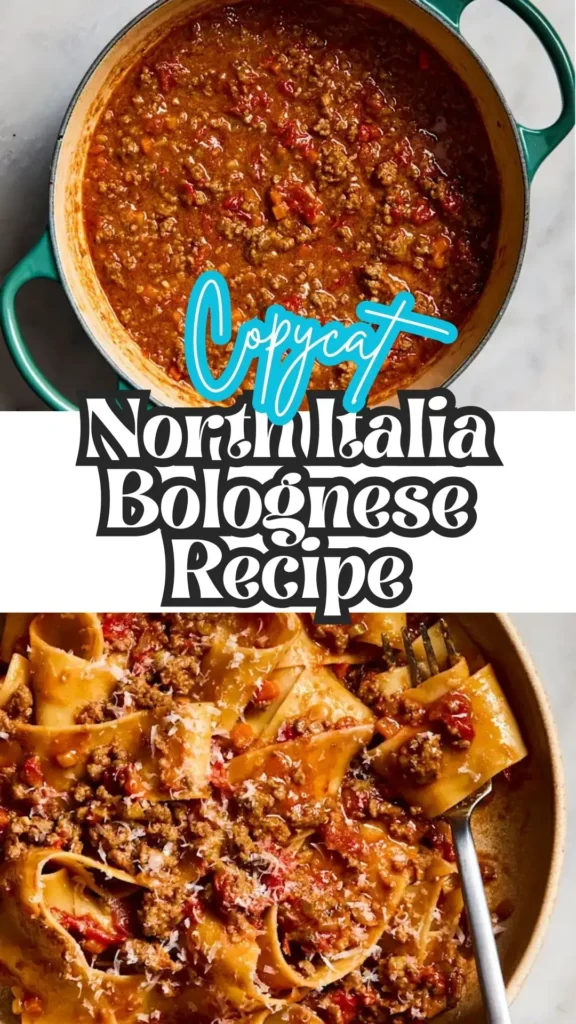
North Italia Bolognese Recipe
If you’ve ever savored the rich, soul-warming bolognese at North Italia and wished you could recreate that magic at home, you’re in for a treat. This copycat north italia bolognese recipe brings the restaurant’s signature slow-cooked ragù straight to your kitchen.
What sets this north italia bolognese apart is its luxurious blend of three meats, the surprising addition of chicken livers for unmatched depth, and a secret ingredient that amplifies umami to restaurant levels.
This isn’t your average meat sauce it’s a labor of love that transforms simple north italia bolognese ingredients into an extraordinary Italian masterpiece worthy of Sunday dinner or special celebrations.
What Does North Italia Bolognese Taste Like?
The north italia bolognese pasta delivers a complex symphony of flavors that’s simultaneously rich, savory, and surprisingly delicate.
The combination of beef, pork, and lamb creates layers of meaty depth, while the chicken livers add a velvety, almost luxurious earthiness that you can’t quite identify but absolutely crave. The long oven braise concentrates the tomatoes into sweet intensity, balanced by the subtle tang of wine and the creamy roundness from milk and cream.
That secret splash of fish sauce works behind the scenes, delivering pure umami without any fishy taste. Each bite coats your palate with a silky, unctuous texture that clings perfectly to pasta ribbons.
North Italia Bolognese Ingredients
Meats
- 1 lb (450g) ground beef (85/15 or 80/20)
- 1 lb (450g) ground lamb
- 1 lb (450g) ground pork
- ½ lb (225g) chicken livers, cleaned and puréed (optional but highly recommended)
Aromatics & Vegetables
- ¼ cup (60ml) extra-virgin olive oil
- 4 Tbsp unsalted butter
- 8 oz (225g) pancetta, diced
- 1 large onion, finely diced
- 2 medium carrots, finely diced
- 3–4 ribs celery, finely diced
- 4 cloves garlic, minced
- ¼ cup fresh sage, minced
- ½ cup fresh parsley, minced (divided)
- 3 bay leaves
Liquids & Seasonings
- 2 cups (500ml) dry white or red wine
- 1 quart (1 liter) chicken stock (preferably homemade or low-sodium)
- 1½ oz (42g) powdered gelatin (about 6 packets) – only if using store-bought stock
- 1 (28-oz/794g) can whole peeled tomatoes, crushed
- 1 cup (240ml) whole milk
- 1 cup (240ml) heavy cream
- 3 oz (85g) Parmigiano-Reggiano, finely grated (plus more for serving)
- 2 Tbsp Asian fish sauce (such as Red Boat)
- Kosher salt and freshly ground black pepper
Kitchen Utensils Needed
- Large Dutch oven (6-7 quart capacity)
- Large skillet
- Blender or food processor
- Potato masher or pastry blender
- Wooden spoon
- Measuring cups and spoons
- Chef’s knife and cutting board
Preparation and Cooking Time
Prep Time: 30 minutes
Cook Time: 4-5 hours (mostly unattended oven time)
Total Time: 4 hours 30 minutes – 5 hours 30 minutes
Servings: 12-14 servings
Yield: Approximately 3 quarts of bolognese sauce
How to Make North Italia Bolognese: Step-by-Step Instructions
Step 1: Prepare the Chicken Livers
If using chicken livers, trim away any visible connective tissue or green bile spots. Rinse under cold water, pat dry, and place in a blender. Purée until completely smooth, about 30-45 seconds. Set aside.
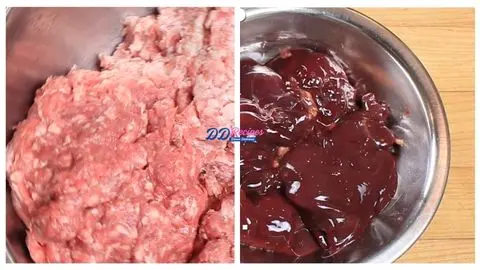
Step 2: Brown the Meat Mixture
Heat the olive oil in your Dutch oven over high heat until it shimmers. Add the ground beef, lamb, and pork in one batch. Season generously with kosher salt and freshly ground black pepper. Using a potato masher or pastry blender, break up the meat as it cooks, stirring occasionally. Cook just until the meat loses its raw pink color about 6-8 minutes. You want it lightly cooked, not deeply browned. Stir in the puréed chicken livers, mix thoroughly, then remove the pot from heat temporarily.
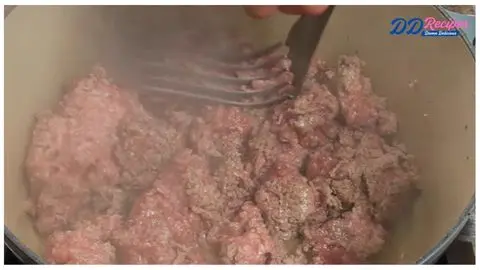
Step 3: Build the Soffritto Base
In a large skillet over medium-high heat, melt the butter. Add the diced pancetta and cook until it’s translucent and has rendered some fat, about 4-5 minutes. Add the finely diced onion, carrots, and celery (this classic trio is your soffritto). Stir in the minced garlic, sage, and half of the parsley (¼ cup). Cook, stirring frequently, until the vegetables are softened and fragrant but not browned approximately 8-10 minutes. The goal is sweet, tender vegetables.
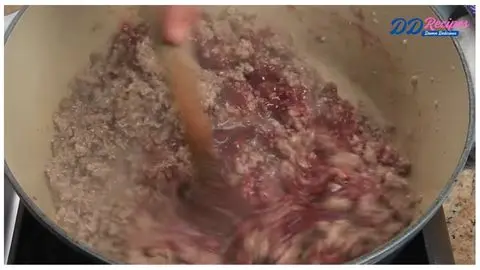
Step 4: Deglaze and Marry the Flavors
Return your Dutch oven with the meat to medium-high heat. Scrape in all the soffritto mixture from your skillet. Pour in the 2 cups of dry wine. Bring to a vigorous simmer and cook, stirring occasionally, until the wine has almost completely evaporated and you see pools of fat forming on the surface about 12-15 minutes. This concentrates the wine’s flavor while removing the harsh alcohol.
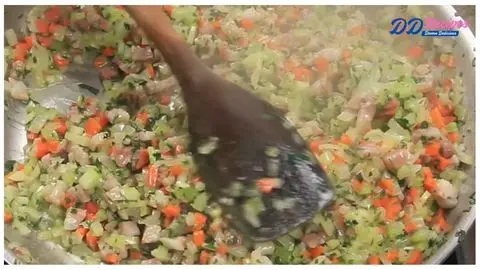
Step 5: Add the Braising Liquids
If you’re using store-bought chicken stock, you’ll need to enrich it with gelatin for body. Sprinkle the powdered gelatin evenly over the cold stock and let it bloom for 2 minutes. Add this gelatin-enriched stock to the pot (or use homemade stock as is). Crush the canned tomatoes by hand or purée them, then add to the pot along with the whole milk and bay leaves. Stir everything together and bring to a bare simmer you should see gentle bubbles breaking the surface.
Step 6: The Magic Oven Braise
Preheat your oven to 300°F (150°C). Place the uncovered Dutch oven in the center of the oven. This is where the transformation happens. Braise for 3-4 hours, checking every 45-60 minutes to stir and scrape down the sides. You’ll notice the top drying out and browning slightly this is flavor gold. Stir that caramelized crust back into the sauce. The bolognese is ready when it’s incredibly thick, rich, and the fat has separated on top.
Step 7: Finish with Cream and Umami
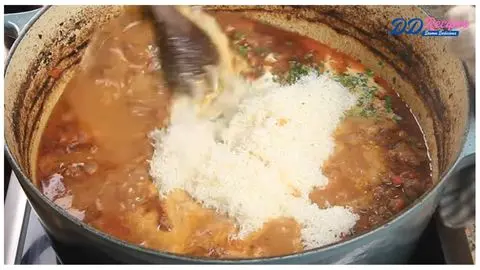
Remove the Dutch oven from the oven (careful it’s heavy and hot!). If there’s excessive fat pooling on top, skim some off, but leave plenty for richness. Place the pot on the stovetop over medium heat. Stir in the heavy cream, remaining ¼ cup parsley, grated Parmigiano-Reggiano, and those crucial 2 tablespoons of fish sauce. Bring to a rolling boil for 2-3 minutes, stirring constantly this emulsifies everything into a glossy, cohesive sauce. Taste and adjust seasoning with salt and pepper.
Step 8: Serve Over Pasta
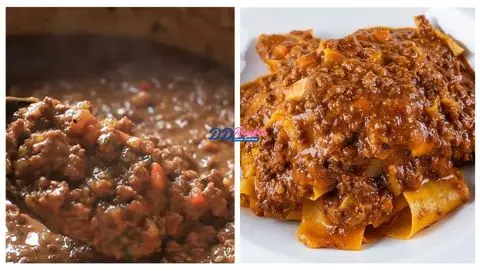
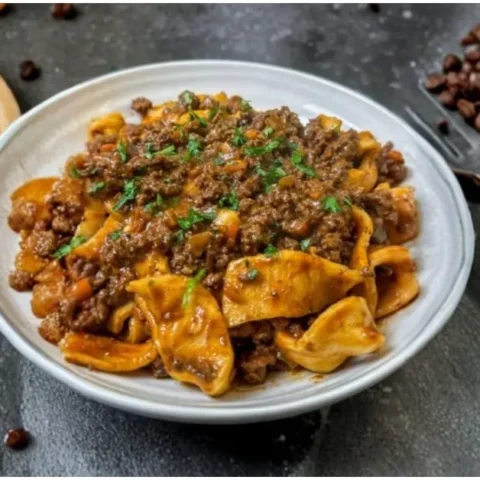
Cook your pasta (tagliatelle, pappardelle, or rigatoni work beautifully) according to package directions until al dente. Reserve 1 cup of pasta water. Toss the hot pasta directly with the bolognese, adding splashes of pasta water to achieve perfect coating consistency. Finish each plate with extra grated Parmigiano-Reggiano and a drizzle of your best extra-virgin olive oil.
Customization and Pairing Ideas for North Italia Bolognese
1. Classic Fresh Pasta Variations
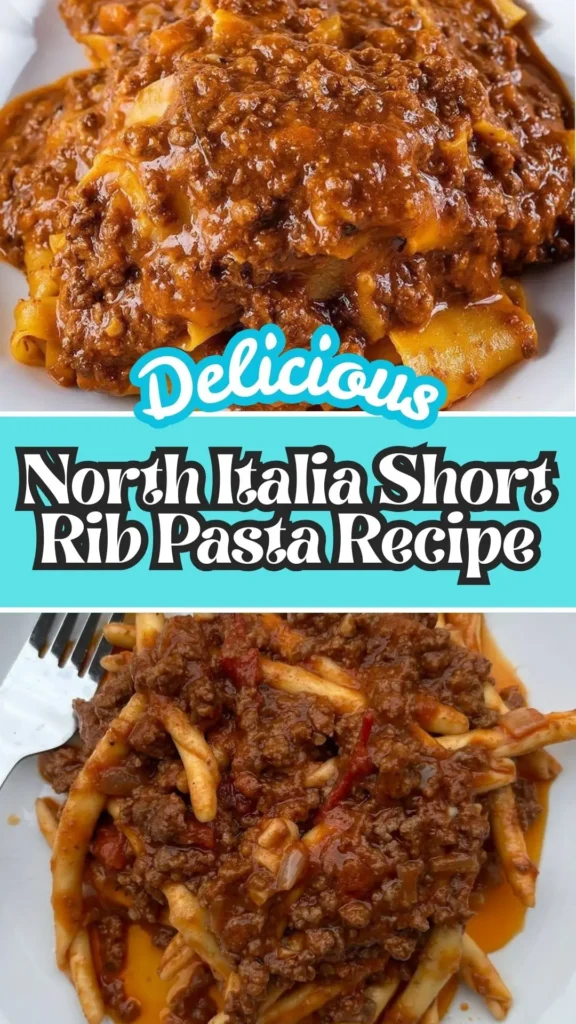
While the north italia bolognese pasta traditionally pairs with tagliatelle, you can branch out to other fresh pasta shapes. Try it with fresh pappardelle for wider ribbons that catch even more sauce, or use garganelli for a tubular option with ridges. For a truly Northern Italian experience, layer it in a lasagna bolognese with béchamel sauce, allowing the ragù to shine between delicate pasta sheets.
2. Polenta Presentation
Serve your north italia bolognese over creamy, buttery polenta for a gluten-free alternative that’s deeply satisfying. The soft, corn-based canvas lets the rich meat sauce take center stage. Top with shaved Parmigiano and fresh herbs for an elegant rustic presentation that’s popular in Emilia-Romagna.
3. Vegetable Additions
While authentic bolognese keeps vegetables minimal, you can customize by stirring in sautéed mushrooms (porcini or cremini) during the last hour of braising for extra earthiness. Finely diced zucchini or bell peppers can be added to the soffritto for families who want more vegetables without compromising the north italia bolognese ingredients integrity.
4. Wine Pairing Perfection
This rich ragù deserves an equally robust wine. Pour a Sangiovese from Tuscany, a Nebbiolo-based Barolo, or a Chianti Classico. If you used red wine in the sauce, match it in your glass. For white wine enthusiasts, an aged Chardonnay with buttery notes complements the cream beautifully. The tannins in red wine cut through the fat while the acidity balances the richness.
5. Classic Italian Comfort Pairing
For a true restaurant-style experience, serve North Italia Bolognese with a warm slice of north italia garlic bread recipe on the side. The crispy, buttery bread is perfect for soaking up the rich, slow-simmered meat sauce. Pair it with mashed potatoes for an extra comforting touch creamy potatoes balance the bold flavors of the Bolognese and make the meal feel hearty and satisfying. This pairing works beautifully for family dinners and cozy weekend meals.
6. Build-Your-Own Bolognese Bar
For casual entertaining, set up a copycat north italia bolognese recipe station with various pasta shapes, different cheeses (try Pecorino Romano, aged Asiago, or Grana Padano alongside Parmigiano), fresh herbs, quality olive oils, and even truffle oil for drizzling. Let guests customize their bowls to their preferences.
7. Modern Fusion Dinner Pairing
To give your North Italia Bolognese a modern twist, serve it alongside banza pasta pesto recipe for a lighter, protein-rich option that contrasts the deep tomato flavors. Add Red Lobster Seasoned Broccoli Recipe as a vibrant vegetable side its garlic-forward seasoning keeps the plate balanced without overpowering the main dish. This combination is ideal for those who enjoy classic Italian flavors with a healthier, contemporary upgrade.
8. Lighter Protein Variations
If the three-meat combination feels too heavy, substitute ground turkey or chicken for the lamb, or use all beef with half pork. You can even make it with ground veal and pork for a milder, more delicate flavor profile. The cooking method remains the same, though you may need slightly less braising time with leaner meats.
9. Stuffed Pasta Applications
Use leftover bolognese as a filling for homemade ravioli or tortellini. Mix the cooled sauce with ricotta cheese and extra Parmigiano, then encase in pasta dough. You can also hollow out bell peppers or large pasta shells and stuff them with the ragù, top with mozzarella, and bake for a comforting casserole twist.
10. Bold & Indulgent Restaurant-Style Pairing
Turn your Bolognese dinner into a full restaurant-style spread by pairing it with LongHorn Steakhouse Parmesan Crusted Spinach Dip Recipe as a starter. The creamy, cheesy dip adds indulgence before the main course. For a bold noodle contrast, serve a small portion of xian noodles recipe alongside or as a shared plate the spicy, savory flavors create an exciting contrast to the rich Italian Bolognese. This pairing is perfect for entertaining guests or special occasions.
Essential Tips for Perfect North Italia Bolognese
1. Don’t Skip the Chicken Livers
Many home cooks hesitate at the chicken liver addition, but this is what gives north italia bolognese its distinctive depth and velvety texture. The livers virtually disappear into the sauce, adding richness without any organ meat flavor. If you’re truly opposed, you can omit them, but you’ll miss that restaurant-quality complexity. Buy the freshest livers possible and purée them completely smooth for seamless integration.
2. The Gelatin Game-Changer
If you’re not using homemade stock with natural gelatin, adding powdered gelatin is non-negotiable for achieving that luxurious, coating texture. Store-bought stocks lack the collagen that makes bolognese cling to pasta. The gelatin gives your north italia bolognese ingredients the body and sheen you’d get from hours of simmering bones. Don’t worry about texture it dissolves completely and creates silky mouthfeel.
3. Temperature Control is Critical
The low-and-slow oven method at 300°F is what separates good bolognese from extraordinary. Higher heat will cause the sauce to reduce too quickly and potentially scorch. Lower heat won’t develop those caramelized flavors. The gentle, even heat of the oven allows the meat to tenderize completely while flavors meld without any risk of burning on the stovetop. Resist the urge to cover it evaporation concentrates flavor.
4. The Fish Sauce Secret
Asian fish sauce in Italian cooking might sound bizarre, but it’s the umami bomb that professional chefs use. It amplifies all the savory notes without tasting remotely fishy. Use a quality brand like Red Boat or Three Crabs. Add it at the end so its pungent aroma mellows into pure savoriness. This is often the “secret ingredient” people can’t identify but absolutely crave in restaurant versions.
5. Fat is Flavor Don’t Over-Skim
When your bolognese comes out of the oven, you’ll see rendered fat on top. While you can skim some excess, leave plenty behind that fat carries flavor and helps the sauce coat pasta. Italian cooking embraces fat as a flavor vehicle. If you skim too much, your copycat north italia bolognese recipe will taste lean and lack that characteristic richness.
6. Meat Grinding Matters
For the most authentic texture, ask your butcher to coarsely grind the meats rather than using pre-ground packages. Better yet, buy chunks and grind them yourself with a meat grinder attachment. Coarser grinds create a more substantial, less mushy texture. The 80/20 or 85/15 fat ratio in beef is important too lean and your sauce will be dry. The lamb adds gaminess, pork adds sweetness, and together they create depth no single meat can achieve.
7. Pasta Water is Your Friend
Always reserve at least a cup of starchy pasta cooking water before draining. When tossing your pasta with bolognese, add splashes of this liquid to create a creamy, cohesive sauce that clings to every strand. The starch acts as an emulsifier, helping fat and water combine into glossy perfection. Start with ¼ cup and add more as needed until you achieve that restaurant-quality coating you get with north italia bolognese pasta.
Storage and Reheating Guidance
Store cooled bolognese in airtight containers in the refrigerator for up to 5 days, or freeze in portion-sized containers for up to 3 months. Reheat gently on the stovetop over low heat, adding splashes of stock or pasta water to restore consistency. The flavors actually deepen after a day or two, making this ideal for meal prep.
North Italia Bolognese Recipe
If you’ve ever savored the rich, soul-warming bolognese at North Italia and wished you could recreate that magic at home, you’re in for a treat. This copycat north italia bolognese recipe brings the restaurant’s signature slow-cooked ragù straight to your kitchen.
Ingredients
- 1 lb (450g) ground beef (85/15 or 80/20)
- 1 lb (450g) ground lamb
- 1 lb (450g) ground pork
- ½ lb (225g) chicken livers, cleaned and puréed (optional but highly recommended)
- ¼ cup (60ml) extra-virgin olive oil
- 4 Tbsp unsalted butter
- 8 oz (225g) pancetta, diced
- 1 large onion, finely diced
- 2 medium carrots, finely diced
- 3–4 ribs celery, finely diced
- 4 cloves garlic, minced
- ¼ cup fresh sage, minced
- ½ cup fresh parsley, minced (divided)
- 3 bay leaves
- 2 cups (500ml) dry white or red wine
- 1 quart (1 liter) chicken stock (preferably homemade or low-sodium)
- 1½ oz (42g) powdered gelatin (about 6 packets) – only if using store-bought stock
- 1 (28-oz/794g) can whole peeled tomatoes, crushed
- 1 cup (240ml) whole milk
- 1 cup (240ml) heavy cream
- 3 oz (85g) Parmigiano-Reggiano, finely grated (plus more for serving)
- 2 Tbsp Asian fish sauce (such as Red Boat)
- Kosher salt and freshly ground black pepper
Instructions
Step 1: Prepare the Chicken Livers
If using chicken livers, trim away any visible connective tissue or green bile spots. Rinse under cold water, pat dry, and place in a blender. Purée until completely smooth, about 30-45 seconds. Set aside.
Step 2: Brown the Meat Mixture
Heat the olive oil in your Dutch oven over high heat until it shimmers. Add the ground beef, lamb, and pork in one batch. Season generously with kosher salt and freshly ground black pepper. Using a potato masher or pastry blender, break up the meat as it cooks, stirring occasionally. Cook just until the meat loses its raw pink color about 6-8 minutes. You want it lightly cooked, not deeply browned. Stir in the puréed chicken livers, mix thoroughly, then remove the pot from heat temporarily.
Step 3: Build the Soffritto Base
In a large skillet over medium-high heat, melt the butter. Add the diced pancetta and cook until it’s translucent and has rendered some fat, about 4-5 minutes. Add the finely diced onion, carrots, and celery (this classic trio is your soffritto). Stir in the minced garlic, sage, and half of the parsley (¼ cup). Cook, stirring frequently, until the vegetables are softened and fragrant but not browned approximately 8-10 minutes. The goal is sweet, tender vegetables.
Step 4: Deglaze and Marry the Flavors
Return your Dutch oven with the meat to medium-high heat. Scrape in all the soffritto mixture from your skillet. Pour in the 2 cups of dry wine. Bring to a vigorous simmer and cook, stirring occasionally, until the wine has almost completely evaporated and you see pools of fat forming on the surface about 12-15 minutes. This concentrates the wine’s flavor while removing the harsh alcohol.
Step 5: Add the Braising Liquids
If you’re using store-bought chicken stock, you’ll need to enrich it with gelatin for body. Sprinkle the powdered gelatin evenly over the cold stock and let it bloom for 2 minutes. Add this gelatin-enriched stock to the pot (or use homemade stock as is). Crush the canned tomatoes by hand or purée them, then add to the pot along with the whole milk and bay leaves. Stir everything together and bring to a bare simmer you should see gentle bubbles breaking the surface.
Step 6: The Magic Oven Braise
Preheat your oven to 300°F (150°C). Place the uncovered Dutch oven in the center of the oven. This is where the transformation happens. Braise for 3-4 hours, checking every 45-60 minutes to stir and scrape down the sides. You’ll notice the top drying out and browning slightly this is flavor gold. Stir that caramelized crust back into the sauce. The bolognese is ready when it’s incredibly thick, rich, and the fat has separated on top.
Step 7: Finish with Cream and Umami
Remove the Dutch oven from the oven (careful it’s heavy and hot!). If there’s excessive fat pooling on top, skim some off, but leave plenty for richness. Place the pot on the stovetop over medium heat. Stir in the heavy cream, remaining ¼ cup parsley, grated Parmigiano-Reggiano, and those crucial 2 tablespoons of fish sauce. Bring to a rolling boil for 2-3 minutes, stirring constantly this emulsifies everything into a glossy, cohesive sauce. Taste and adjust seasoning with salt and pepper.
Step 8: Serve Over Pasta
Cook your pasta (tagliatelle, pappardelle, or rigatoni work beautifully) according to package directions until al dente. Reserve 1 cup of pasta water. Toss the hot pasta directly with the bolognese, adding splashes of pasta water to achieve perfect coating consistency. Finish each plate with extra grated Parmigiano-Reggiano and a drizzle of your best extra-virgin olive oil.
Notes
Store cooled bolognese in airtight containers in the refrigerator for up to 5 days, or freeze in portion-sized containers for up to 3 months. Reheat gently on the stovetop over low heat, adding splashes of stock or pasta water to restore consistency. The flavors actually deepen after a day or two, making this ideal for meal prep.
Nutrition Information:
Yield: 4 Serving Size: 1Amount Per Serving: Calories: 280
Common Queries and FAQs About North Italia Bolognese
Here, we’ve got you covered with some common questions about the North Italia Bolognese Recipe that people often ask.
Can I make this north italia bolognese recipe without chicken livers?
Yes, you can omit the chicken livers, though they add significant depth and that signature velvety texture. If you skip them, consider adding an extra tablespoon of tomato paste during the soffritto stage and an additional tablespoon of fish sauce at the end to compensate for the lost umami and richness.
What makes this a copycat north italia bolognese recipe?
This recipe replicates North Italia’s signature techniques: the three-meat blend, long oven braising, the addition of milk and cream for tenderness, and that secret umami boost from fish sauce. The result is the same rich, complex sauce you’d get at the restaurant.
Can I use all beef instead of the three-meat combination?
You can, but you’ll lose the complexity that makes north italia bolognese special. Lamb adds subtle gaminess, pork contributes sweetness and fat, and beef provides hearty foundation. If you must use one meat, combine 2 lbs beef with 1 lb pork at minimum.
Why does the recipe call for both milk and cream?
Milk is added early and tenderizes the meat while adding subtle sweetness. Heavy cream comes at the end for richness and glossy texture. This two-dairy approach is traditional in authentic Bolognese ragù from Emilia-Romagna.
Do I have to use an oven, or can I cook it on the stovetop?
The oven method is strongly recommended because it provides gentle, even heat from all sides without risk of scorching. Stovetop works if you use the lowest heat possible and stir every 20 minutes, but you’ll need to watch it constantly for 3-4 hours.
What’s the purpose of the gelatin in the north italia bolognese ingredients?
Gelatin mimics the natural collagen found in homemade stock. It gives the sauce body, sheen, and that characteristic cling to pasta. Without it, store-bought stock produces a thinner, less luxurious sauce.
Can I substitute the wine with something non-alcoholic?
While wine contributes acidity and depth, you can use additional chicken stock with 2 tablespoons red wine vinegar or balsamic vinegar. The alcohol cooks off during the long braise, but if alcohol is a concern, the vinegar substitution works reasonably well.
How do I know when the bolognese is done braising?
The sauce should be very thick almost paste-like with visible fat pooling on top. It should have reduced by about one-third, and when you drag a spoon through it, the sauce should slowly close back over the trail. This typically takes 3-4 hours.
What’s the best pasta shape for north italia bolognese pasta?
Traditional choices are fresh tagliatelle or pappardelle (wide ribbons), but rigatoni, paccheri, or even cavatappi work beautifully because they trap the chunky sauce. Fresh pasta is ideal because its porous texture absorbs sauce better than dried.
Can I double this recipe for meal prep?
Absolutely! Bolognese actually improves after a day or two in the refrigerator as flavors meld. Use a larger Dutch oven or two pots. The freezer is your friend portion into quart containers for quick future meals.
Why is my bolognese too watery?
This usually means insufficient evaporation during braising. Make sure your Dutch oven is uncovered in the oven, and braise longer until very thick. You can also finish it on the stovetop at medium heat, stirring constantly, to reduce excess liquid.
What is soffritto and why is it important?
Soffritto is the aromatic base of onion, carrot, and celery that forms the flavor foundation of Italian cooking. Cooked slowly in fat, these vegetables become sweet and tender, creating depth. Rushing this step results in harsh, vegetable-forward flavors instead of balanced sweetness.
How much does this north italia bolognese recipe cost to make?
Ingredients typically cost $45-60 depending on your location and meat quality. This yields 12-14 generous servings, making it about $3.50-5 per serving far less expensive than ordering it at a restaurant, plus you’ll have amazing leftovers.
Can I make this in a slow cooker or Instant Pot?
The slow cooker works on low for 6-8 hours after browning meat and soffritto on the stovetop. The Instant Pot can braise on low pressure for 90 minutes, though you’ll miss the caramelization that oven-braising provides. The oven method produces superior results.
Is this recipe authentic Italian bolognese?
This is an Americanized adaptation with North Italia’s signature touches. Authentic Bolognese ragù from Bologna uses less tomato, no garlic, and always includes milk. This version is richer, more heavily spiced, and adapted for American palates while respecting Italian technique.
This copycat north italia bolognese recipe brings the restaurant experience home with its luxurious three-meat blend, slow-braised depth, and those secret umami touches that make it unforgettable.
While it requires time, the effort is mostly hands-off, and the result is a sauce worthy of special occasions or Sunday family dinners. The north italia bolognese ingredients work together to create something far greater than the sum of their parts a rich, complex ragù that improves with time and freezes beautifully for future cravings.
Gather your loved ones, pour the wine, and savor every bite of this restaurant-quality masterpiece.
We’d love to hear how this recipe turns out for you! Give it a try, then drop a comment below to share your thoughts and tips with us. You can also follow us on Pinterest, and YouTube for more delicious updates and kitchen inspiration. Your feedback and support mean the world to us!