
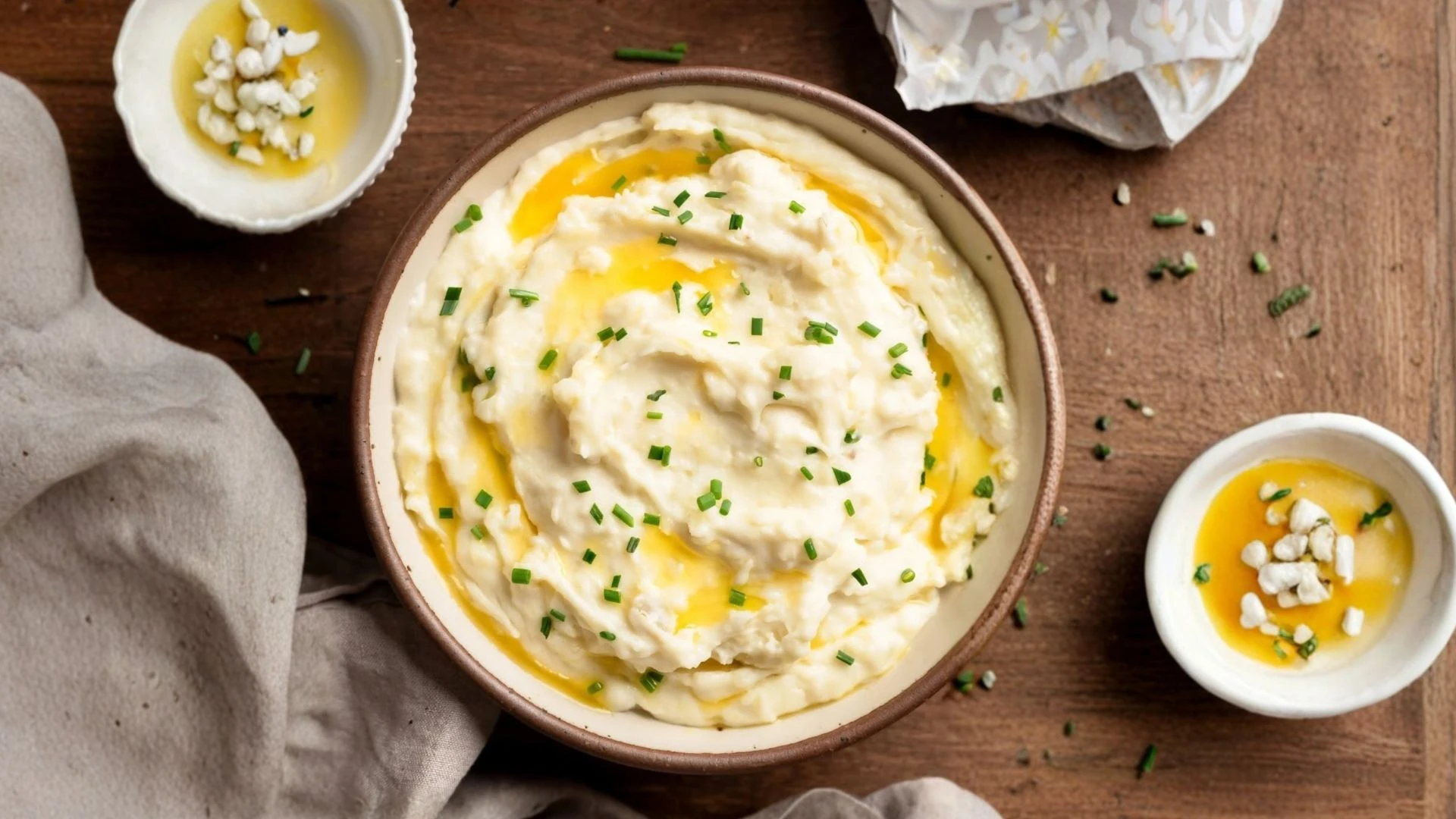
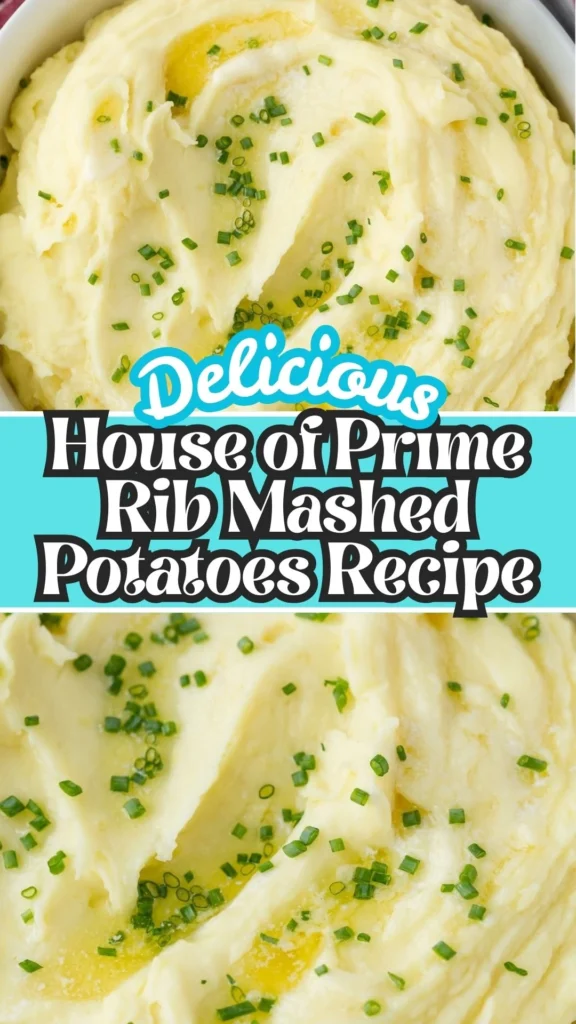
There’s something magical about the legendary mashed potatoes served at San Francisco’s House of Prime Rib. These aren’t just any mashed potatoes – they’re cloud-like, impossibly creamy, and rich enough to make you close your eyes with every bite.
The secret? A brilliant combination of two potato varieties, generous amounts of quality butter and cream, and time-honored techniques passed down through generations.
This copycat recipe brings that iconic steakhouse experience right into your home kitchen, delivering the best mashed potatoes you’ll ever make. Whether you’re planning a holiday feast or elevating your weeknight dinner, these homemade mashed potatoes will steal the show.
What Does It Taste Like?
These creamy mashed potatoes deliver pure comfort in every spoonful. The russet potatoes provide an airy, fluffy foundation, while the Yukon Golds add a buttery richness and subtle sweetness.
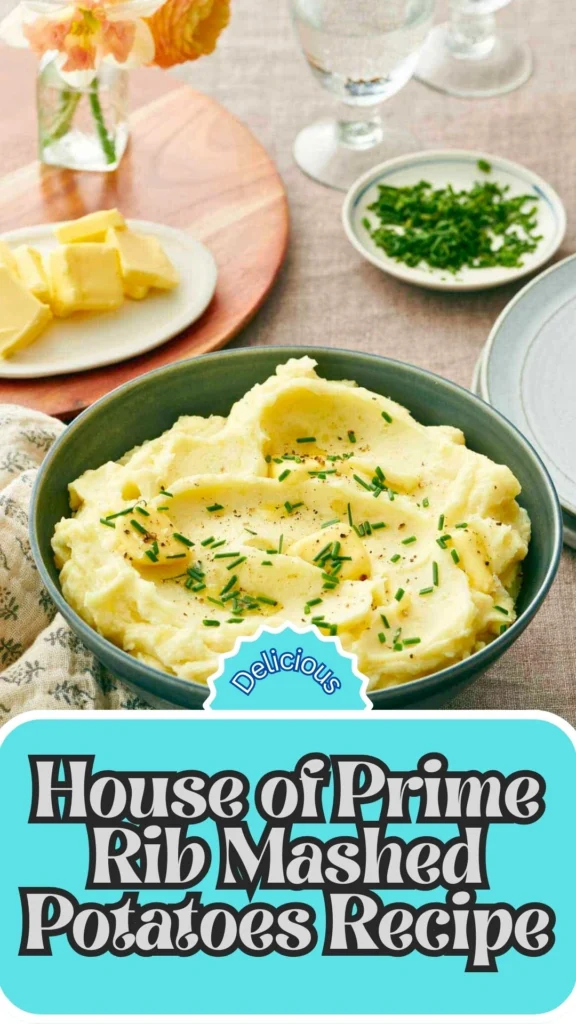
Each bite melts on your tongue with luxurious creaminess from the heavy cream and butter, creating a velvety smooth texture that’s still delightfully light. The gentle seasoning lets the natural potato flavor shine through, with just enough salt to enhance and black pepper to add a whisper of warmth.
It’s the taste of home mashed potatoes perfected – indulgent without being heavy, rich without being greasy, and absolutely unforgettable.
House of Prime Rib Mashed Potatoes Recipe Ingredients You’ll Need
Main Ingredients:
- 3 pounds russet potatoes (starchy variety for fluffiness)
- 2 pounds Yukon Gold potatoes (waxy variety for creaminess)
- 1 cup (2 sticks) unsalted butter, good-quality
- 1 to 1½ cups heavy cream, good-quality
- Salt (for cooking water and seasoning)
- Freshly ground black pepper, to taste
Kitchen Utensils
- Vegetable peeler
- Large cutting board
- Chef’s knife
- Large stockpot (6-8 quart capacity)
- Paring knife (for testing doneness)
- Colander
- Small saucepan (for warming cream and butter)
- Potato masher (manual, not electric)
- Wooden spoon or spatula
Preparation and Cooking Time
- Prep Time: 20 minutes
- Cook Time: 20 minutes
- Total Time: 40 minutes
- Servings: 8-10 servings
House of Prime Rib Mashed Potatoes Recipe Instructions
Step 1: Prepare the Potatoes
Select your potatoes, using a mix of russet and Yukon Gold for optimal texture. Using a vegetable peeler, remove the top and bottom of each potato first. Peel lengthwise with long, smooth strokes for efficiency.
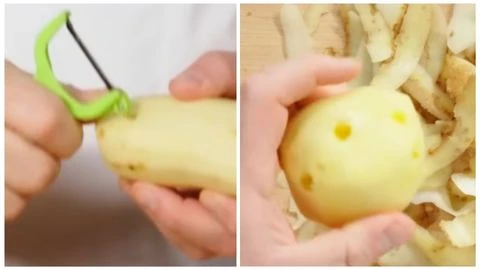
Use the pointed tip of your peeler to dig out any eyes. Immediately submerge peeled potatoes in a large bowl of cold water to prevent oxidation and rinse away dirt. Drain the dirty water and refill with fresh cold water.
Step 2: Cut and Rinse
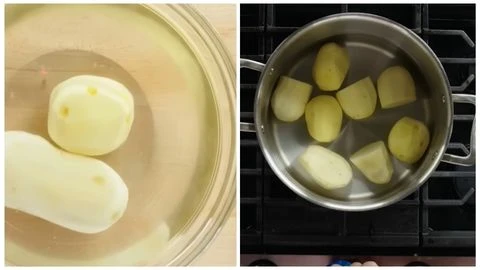
Remove potatoes from the water and cut them into large, uniform chunks (roughly 2-inch pieces). Cutting them too small increases water absorption during cooking, which dilutes flavor and makes them less creamy. Place cut potatoes back in the bowl of cold water until ready to cook.
Step 3: Start Cooking
Transfer the potato chunks to your large stockpot and cover completely with cold water (about 2 inches above the potatoes). Add 2-3 tablespoons of salt to the water – this is crucial for seasoning the potatoes from within. Place the pot over high heat and bring to a rolling boil.
Step 4: Simmer Gently
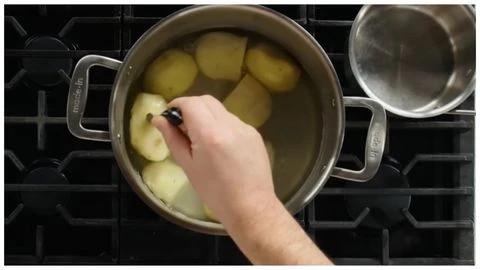
Once boiling, reduce heat to maintain a gentle simmer with light bubbling. Vigorous boiling causes potatoes to break apart and become waterlogged. Simmer uncovered for 15-20 minutes, depending on chunk size.
Step 5: Test for Doneness
Insert a paring knife into the largest potato chunk. It should slide off the knife easily or break apart with no resistance. If the potato clings to the knife, continue cooking and test again in 2-3 minutes.
Step 6: Heat the Dairy
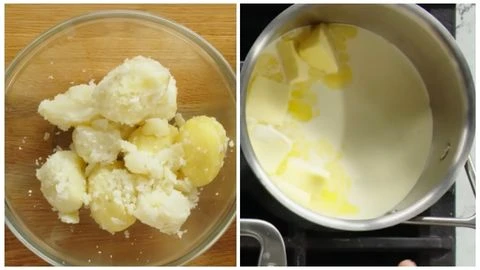
While potatoes finish cooking, combine butter and heavy cream in a small saucepan over low heat. Warm until the butter melts and the mixture is hot to the touch but not boiling. This prevents temperature shock when added to the potatoes.
Step 7: Drain and Dry
Pour the cooked potatoes into a colander and drain thoroughly. Return the drained potatoes immediately to the hot, empty pot. Place back on the warm burner (heat off) for 1-2 minutes, allowing residual steam to evaporate excess moisture. This crucial step prevents watery, gluey mashed potatoes.
Step 8: Mash and Season
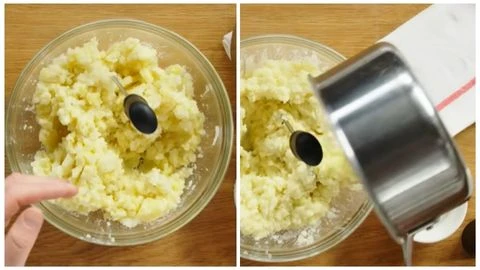
Add a generous pinch of salt and freshly ground black pepper to the hot potatoes. Pour in about half of the hot butter-cream mixture. Using a manual potato masher, mash with firm, steady motions until mostly smooth with a few small lumps remaining. These lumps add character and prove they’re homemade.
Step 9: Adjust Consistency
Gradually add more hot butter and cream, mashing gently between additions, until you reach your desired creaminess. Avoid over-mashing, which develops the starch and creates a gummy texture. Taste and adjust seasoning with additional salt and pepper as needed.
Step 10: Serve Immediately
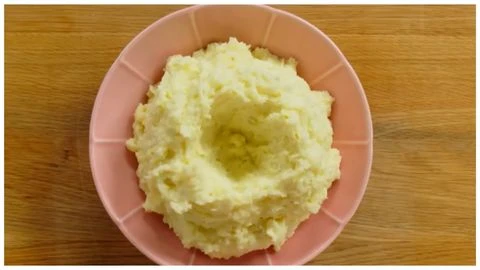
Scoop generous portions onto warmed plates. Create a small well or “volcano” crater in the center – perfect for pooling gravy, melted butter, or pan juices from your prime rib. Serve piping hot for the best texture and flavor experience.
Customization and Pairing Ideas for Serving
1. Classic Steakhouse Style
Create the authentic House of Prime Rib experience by serving these mashed potatoes alongside a perfectly roasted prime rib or ribeye steak. Form that signature well in the center and fill it with rich pan drippings or beef au jus. The creamy potatoes balance the savory meat beautifully, while soaking up every drop of those precious juices.
2. Loaded Garlic Mashed Potatoes
Transform this recipe into garlic mashed potatoes by adding 6-8 roasted garlic cloves during the mashing process. Simply roast a whole garlic head wrapped in foil at 400°F for 40 minutes, then squeeze out the soft, caramelized cloves. The sweet, mellow garlic flavor adds depth without overwhelming the buttery potato taste. Top with crispy bacon bits, shredded cheddar cheese, and chopped chives for a fully loaded version.
3. Herb-Infused Variation
Elevate your easy mashed potatoes recipe by infusing the cream and butter with fresh herbs. Add rosemary sprigs, thyme, or sage to the warming dairy, then strain before adding to potatoes. Alternatively, fold in 2-3 tablespoons of finely chopped fresh herbs after mashing. This variation pairs exceptionally well with roasted chicken, turkey, or pork tenderloin.
4. Classic Steakhouse Plate
A rich pairing where House of Prime Rib Creamed Spinach adds velvety depth while house of prime rib yorkshire pudding brings airy texture, creating a balanced, indulgent steakhouse-style serving experience alongside mashed potatoes.
5. Horseradish Kick
For a bold twist on this taste of home mashed potatoes classic, stir in 2-3 tablespoons of prepared horseradish and 2 tablespoons of sour cream after mashing. The sharp, pungent horseradish cuts through the richness and complements beef dishes perfectly. Start with less horseradish and adjust to your heat preference.
6. Truffle Luxury
Turn these best mashed potatoes into an ultra-luxurious side by drizzling with truffle oil (1-2 teaspoons) just before serving. You can also fold in freshly grated Parmesan cheese for added umami depth. This elegant version is perfect for special occasions, holiday dinners, or impressing dinner guests.
7. Bold Flavor Contrast
The sharp bite of house of prime rib horseradish cuts through buttery textures, while roasted brussel sprouts add freshness and light crunch, making this serving idea flavorful, balanced, and visually appealing
8. Lighter Sour Cream Version
For a tangier profile and slightly lighter result, replace half the heavy cream with full-fat sour cream or crème fraîche. This creates a more complex flavor that pairs wonderfully with salmon, roasted vegetables, or as part of a shepherd’s pie. The acidity brightens the dish while maintaining that signature creaminess.
9. Global Comfort Combo
Serving hainan chicken rice as an alternative main alongside griddle fried rice offers variety and comfort, perfect for mixed menus where guests want hearty options beyond traditional steakhouse sides.
10. Make-Ahead Casserole
Transform this mashed potato recipe into a convenient make-ahead dish by spreading the finished potatoes in a buttered baking dish, dotting with extra butter, and refrigerating. When ready to serve, bake at 350°F for 25-30 minutes until heated through and golden on top. This works beautifully for Thanksgiving, Christmas dinner, or any time you need to prep ahead.
Essential Tips for Perfect Results
1. The Two-Potato Secret
The magic behind how to make the best mashed potatoes lies in using both russet and Yukon Gold varieties. Russets are high in starch and low in moisture, creating that fluffy, light texture. Yukon Golds contain more moisture and natural butter flavor, adding creaminess and a gorgeous golden color. This combination gives you the best of both worlds – neither too dense nor too airy. Use roughly a 60/40 ratio of russets to Yukon Golds for ideal results.
2. Temperature is Everything
Always add hot butter and cream to hot potatoes. Cold dairy added to hot potatoes will cool them down, requiring more mashing to incorporate, which develops excess starch and creates gluey potatoes. Similarly, if your potatoes cool too much before serving, they’ll lose that silky texture. Work quickly and serve immediately for restaurant-quality results every time.
3. Don’t Over-Mash
The most common mistake in mashed potato recipes is over-working the potatoes. Excessive mashing or using electric mixers breaks down the starch cells, releasing sticky starches that create a gummy, paste-like texture. Use a manual masher and stop as soon as the potatoes reach your desired consistency. A few small lumps are perfectly acceptable and prove they’re authentically homemade, not instant.
4. Master the Water-to-Potato Ratio
How to thicken mashed potatoes starts with proper cooking technique. Always start potatoes in cold water and cut them into larger chunks. Smaller pieces absorb more water during cooking, leading to watery, thin mashed potatoes. If your potatoes seem too loose after mashing, return the pot to low heat and stir constantly for 2-3 minutes to evaporate excess moisture. Never add flour or cornstarch, which ruins the texture.
5. Season in Layers
Professional chefs season at every stage, and this creamy mashed potatoes recipe is no exception. Salt the cooking water generously (it should taste like seawater), then add another pinch when you begin mashing, and finally adjust at the end. This builds depth of flavor rather than tasting one-dimensionally salty. Remember: you can always add more salt, but you can’t remove it.
6. Quality Ingredients Matter
Since this recipe has so few ingredients, each one’s quality dramatically impacts the final result. Use real butter (never margarine), heavy cream with at least 36% fat content, and good fresh potatoes without green spots or sprouting eyes. European-style butter with higher fat content creates even richer results. This isn’t the place to skimp – invest in quality for the best mashed potatoes you’ve ever tasted.
7. The Resting Trick
After draining, returning the potatoes to the hot pot for 1-2 minutes is game-changing. This step allows residual steam to escape, removing excess surface moisture that would otherwise dilute your butter and cream. You’ll notice the potatoes look slightly drier and flour-like on the surface – that’s exactly what you want. This simple technique is used in professional kitchens and makes a remarkable difference in achieving creamy, never watery, homemade mashed potatoes.
Storage and Reheating Guidance
Store leftover mashed potatoes in an airtight container in the refrigerator for up to 4 days. Reheat gently in a covered pot over low heat, stirring frequently and adding a splash of cream or milk to restore creaminess. Alternatively, microwave in 30-second intervals, stirring between each, until heated through.
House of Prime Rib Mashed Potatoes Recipe
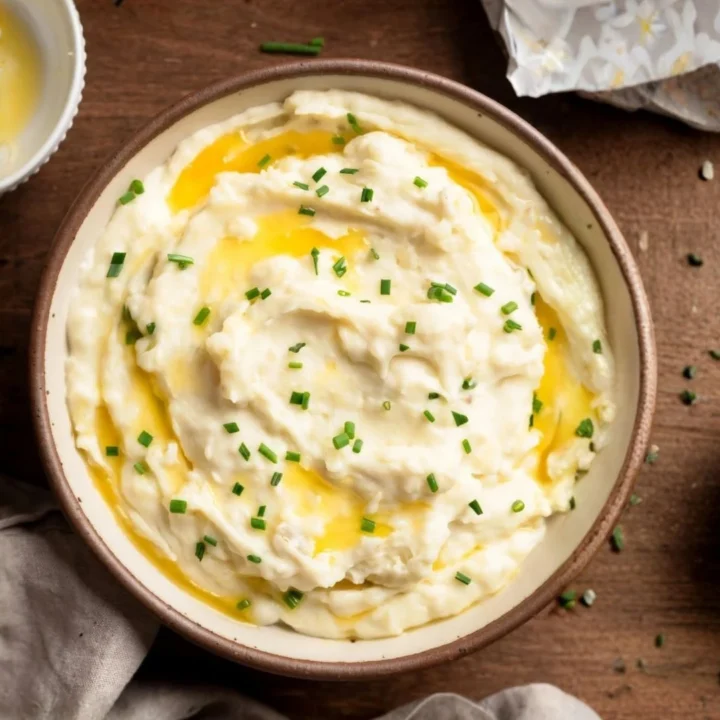
There’s something magical about the legendary mashed potatoes served at San Francisco’s House of Prime Rib. These aren’t just any mashed potatoes – they’re cloud-like, impossibly creamy, and rich enough to make you close your eyes with every bite.
Ingredients
- 3 pounds russet potatoes (starchy variety for fluffiness)
- 2 pounds Yukon Gold potatoes (waxy variety for creaminess)
- 1 cup (2 sticks) unsalted butter, good-quality
- 1 to 1½ cups heavy cream, good-quality
- Salt (for cooking water and seasoning)
- Freshly ground black pepper, to taste
Instructions
Step 1: Prepare the Potatoes
Select your potatoes, using a mix of russet and Yukon Gold for optimal texture. Using a vegetable peeler, remove the top and bottom of each potato first. Peel lengthwise with long, smooth strokes for efficiency. Use the pointed tip of your peeler to dig out any eyes. Immediately submerge peeled potatoes in a large bowl of cold water to prevent oxidation and rinse away dirt. Drain the dirty water and refill with fresh cold water.
Step 2: Cut and Rinse
Remove potatoes from the water and cut them into large, uniform chunks (roughly 2-inch pieces). Cutting them too small increases water absorption during cooking, which dilutes flavor and makes them less creamy. Place cut potatoes back in the bowl of cold water until ready to cook.
Step 3: Start Cooking
Transfer the potato chunks to your large stockpot and cover completely with cold water (about 2 inches above the potatoes). Add 2-3 tablespoons of salt to the water – this is crucial for seasoning the potatoes from within. Place the pot over high heat and bring to a rolling boil.
Step 4: Simmer Gently
Once boiling, reduce heat to maintain a gentle simmer with light bubbling. Vigorous boiling causes potatoes to break apart and become waterlogged. Simmer uncovered for 15-20 minutes, depending on chunk size.
Step 5: Test for Doneness
Insert a paring knife into the largest potato chunk. It should slide off the knife easily or break apart with no resistance. If the potato clings to the knife, continue cooking and test again in 2-3 minutes.
Step 6: Heat the Dairy
While potatoes finish cooking, combine butter and heavy cream in a small saucepan over low heat. Warm until the butter melts and the mixture is hot to the touch but not boiling. This prevents temperature shock when added to the potatoes.
Step 7: Drain and Dry
Pour the cooked potatoes into a colander and drain thoroughly. Return the drained potatoes immediately to the hot, empty pot. Place back on the warm burner (heat off) for 1-2 minutes, allowing residual steam to evaporate excess moisture. This crucial step prevents watery, gluey mashed potatoes.
Step 8: Mash and Season
Add a generous pinch of salt and freshly ground black pepper to the hot potatoes. Pour in about half of the hot butter-cream mixture. Using a manual potato masher, mash with firm, steady motions until mostly smooth with a few small lumps remaining. These lumps add character and prove they’re homemade.
Step 9: Adjust Consistency
Gradually add more hot butter and cream, mashing gently between additions, until you reach your desired creaminess. Avoid over-mashing, which develops the starch and creates a gummy texture. Taste and adjust seasoning with additional salt and pepper as needed.
Step 10: Serve Immediately
Scoop generous portions onto warmed plates. Create a small well or “volcano” crater in the center – perfect for pooling gravy, melted butter, or pan juices from your prime rib. Serve piping hot for the best texture and flavor experience.
Notes
Store leftover mashed potatoes in an airtight container in the refrigerator for up to 4 days. Reheat gently in a covered pot over low heat, stirring frequently and adding a splash of cream or milk to restore creaminess. Alternatively, microwave in 30-second intervals, stirring between each, until heated through.
Nutrition Information:
Yield: 8 Serving Size: 1 Amount Per Serving: Calories: 160Common Queries and FAQs
Here, we answer the most common and frequently searched questions about the House of Prime Rib Mashed Potatoes Recipe to help you understand it clearly and confidently.
Q: Can I make mashed potatoes ahead of time?
Yes! Prepare your mashed potatoes up to 2 days in advance. After mashing, transfer to a buttered baking dish, dot with extra butter, cover tightly with plastic wrap directly on the surface (to prevent skin formation), then refrigerate. Reheat in a 350°F oven for 25-30 minutes, stirring halfway through. You can also use a slow cooker on low for 2-3 hours, stirring occasionally. Add a splash of warm cream when reheating to refresh the texture.
Q: Why are my mashed potatoes gummy or gluey?
Gummy potatoes result from over-mashing or using the wrong tools. When you overwork potatoes, you break down starch cells and develop gluten-like properties, creating an unpleasant sticky texture. Always use a manual potato masher, never a food processor, blender, or electric mixer. Mash just until combined with small lumps remaining. Also ensure you’re using starchy russet potatoes – waxy red potatoes alone will always turn gluey.
Q: How do I fix watery mashed potatoes?
If your mashed potatoes are too thin or watery, return the pot to low heat and stir constantly for 3-5 minutes. This evaporates excess moisture and thickens the consistency naturally. You can also fold in additional butter (which thickens and adds richness) or a few tablespoons of instant potato flakes as an emergency fix. For future batches, cut potatoes into larger chunks, dry them thoroughly after draining, and heat them in the pot to steam off moisture before mashing.
Q: Can I use milk instead of heavy cream?
Yes, but your results will be less rich and creamy. Heavy cream contains 36-40% fat, which creates that luxurious, velvety texture. Whole milk works in a pinch but produces thinner, less flavorful potatoes. For best results, use at least half-and-half (10-12% fat). If using milk, add extra butter to compensate for the reduced fat content. Some cooks successfully use sour cream or cream cheese combined with milk for added richness and tang.
Q: Do I have to peel the potatoes?
For this classic recipe, yes – peeling creates the smooth, refined texture expected from restaurant-style mashed potatoes. However, you can make rustic “smashed potatoes” by leaving skins on Yukon Golds (which have thinner skins than russets). Just scrub them thoroughly and expect a chunkier, more textured result. The skins add fiber, nutrients, and an earthy flavor that some people prefer, though it won’t replicate the House of Prime Rib experience.
Q: What’s the best potato variety for mashed potatoes?
Russet potatoes (also called Idaho or baking potatoes) are the gold standard for fluffy mashed potatoes because they’re high in starch and low in moisture. Yukon Golds add creaminess and buttery flavor with their waxy texture and golden color. Red potatoes are too waxy and become gluey when mashed. For this recipe, the russet-Yukon Gold combination creates perfectly balanced texture – not too fluffy, not too dense. If you can only use one variety, choose russets for traditional fluffy results.
Q: How much butter and cream should I really use?
For truly decadent mashed potatoes like House of Prime Rib serves, use approximately 1 cup butter and 1-1½ cups heavy cream for 5 pounds of potatoes. This might seem excessive, but it’s what creates that restaurant-quality richness. Start with ¾ of the amounts, then add more gradually while mashing until you reach your preferred creaminess. Remember: you can always add more, but you can’t take it out. Taste as you go and stop when the potatoes taste luxurious but not greasy.
Q: Can I freeze mashed potatoes?
Yes, mashed potatoes freeze reasonably well for up to 2 months, though the texture changes slightly. Cool completely, portion into freezer bags (removing air), and freeze flat for easy stacking. Thaw overnight in the refrigerator, then reheat gently with additional cream or butter to restore creaminess. The texture won’t be quite as silky as fresh, but they’re perfectly acceptable for casseroles or when mixed with other ingredients. For best results, slightly under-mash before freezing.
Q: Why do restaurants’ mashed potatoes taste better than mine?
Restaurant mashed potatoes taste incredible because chefs use generous amounts of butter and cream without hesitation – often far more than home cooks feel comfortable using. They also season aggressively at multiple stages, use the two-potato technique, ensure everything stays hot throughout the process, and serve immediately. The steam-drying step after draining is another professional secret rarely used at home. Follow this recipe exactly, don’t skimp on the butter and cream, and you’ll achieve restaurant-quality results.
Q: What can I serve with these mashed potatoes?
These versatile mashed potatoes pair beautifully with any protein and gravy combination. Classic pairings include prime rib with au jus, roasted turkey with giblet gravy, pot roast with pan sauce, meatloaf with tomato gravy, pork chops with mushroom sauce, or fried chicken with country gravy. They’re also perfect alongside braised short ribs, lamb chops, or salmon. For vegetables, serve with roasted Brussels sprouts, glazed carrots, green beans, or creamed spinach to complete your steakhouse-style meal.
This copycat House of Prime Rib mashed potatoes recipe delivers restaurant-quality results that’ll have everyone asking for seconds. The combination of two potato varieties, quality ingredients, and proper technique creates impossibly creamy, fluffy perfection every time.
Whether you’re preparing a special holiday dinner, hosting a dinner party, or simply elevating Tuesday night’s meatloaf, these homemade mashed potatoes prove that simple comfort food, done right, is truly unforgettable. Master this recipe once, and it’ll become your forever go-to!
We’d love to hear how this recipe turns out for you! Give it a try, then drop a comment below to share your thoughts and tips with us.
You can also follow us on Pinterest, and YouTube for more delicious updates and kitchen inspiration. Your feedback and support mean the world to us!